Affordable Energy = Sovereignty: The Path to Lower Bills and Local Control
The True Cost of Dependence
“We can’t be free if we can’t afford to stay on our own land.”
Sovereignty isn’t just about politics, it’s about power. Literally.
- Who controls your electricity?
- Who sets your monthly bill?
- Who decides whether you pay $200 or $700 this month?
If the answer isn’t you or your community, then let’s stop pretending we’re in control.
Why Energy Matters in the Fight for Sovereignty
You can’t talk about Hawaiian sovereignty without addressing energy. Without affordable, reliable, and locally controlled energy, we risk losing our people, our land, and our independence to rising costs and corporate profit.
Hawai‘i’s High Energy Costs = Low Freedom
Hawai‘i has the highest electricity rates in the U.S., more than 2.5x the national average. In some local areas, it’s even worse.
This isn’t just a financial issue, it’s an issue of freedom.
- Choosing between groceries and paying the electric bill? That’s not freedom.
- Working multiple jobs just to keep the lights on? That’s not sovereignty.
- Depending on imported oil and corporate utilities? That’s not control, it’s modern colonization.
Why Geothermal Energy is the Answer
How Geothermal Powers Self-Reliance
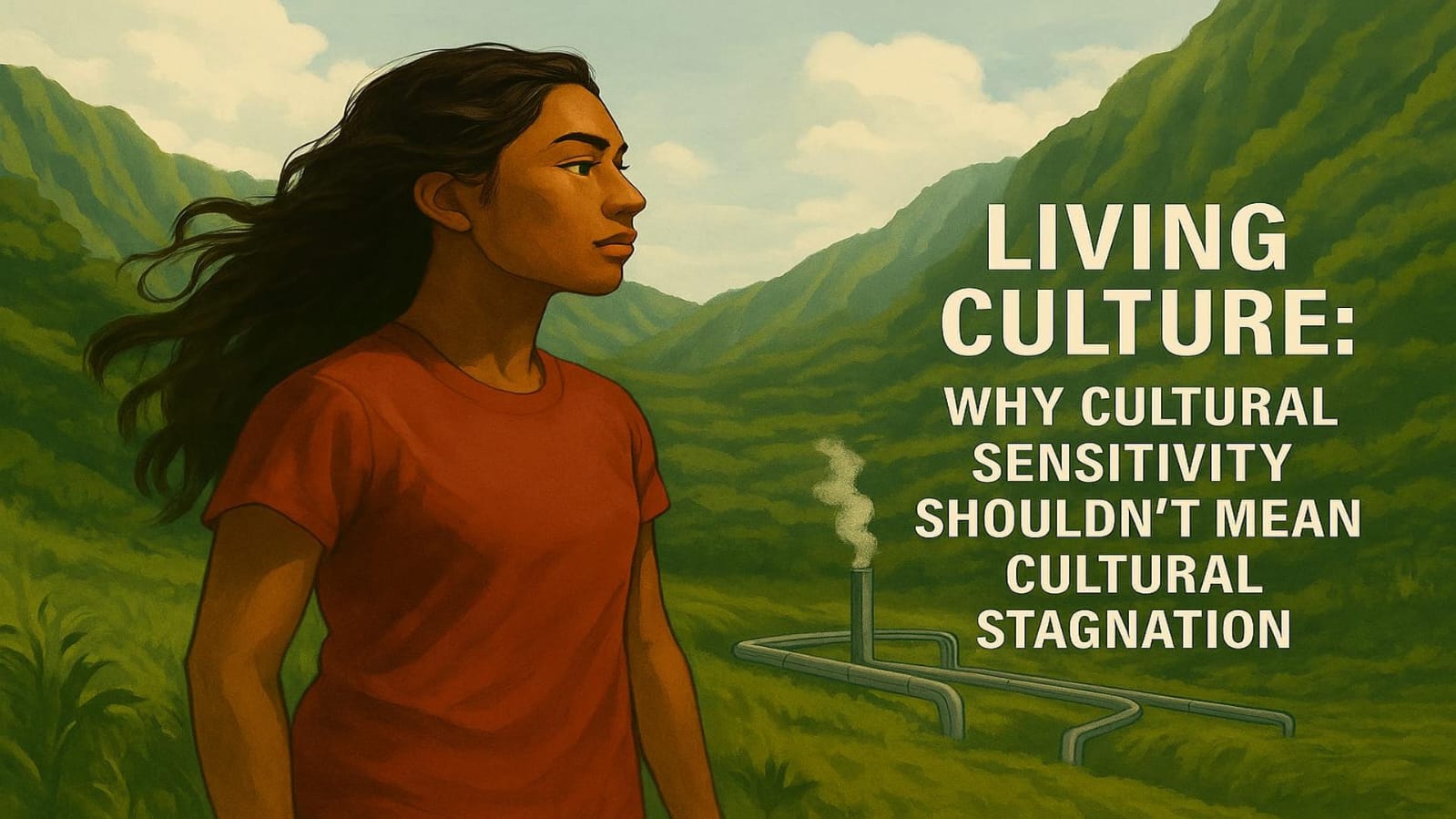
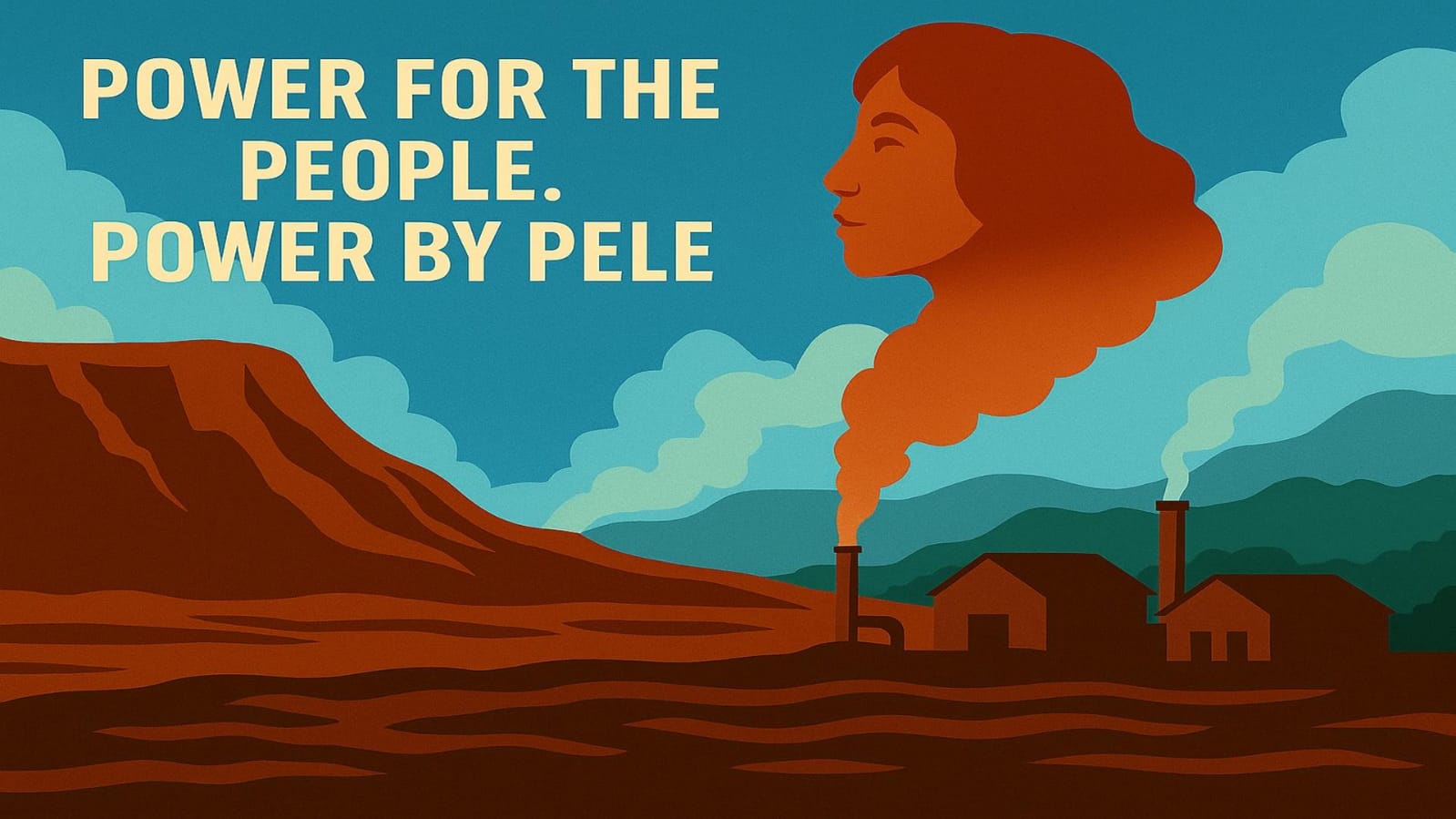
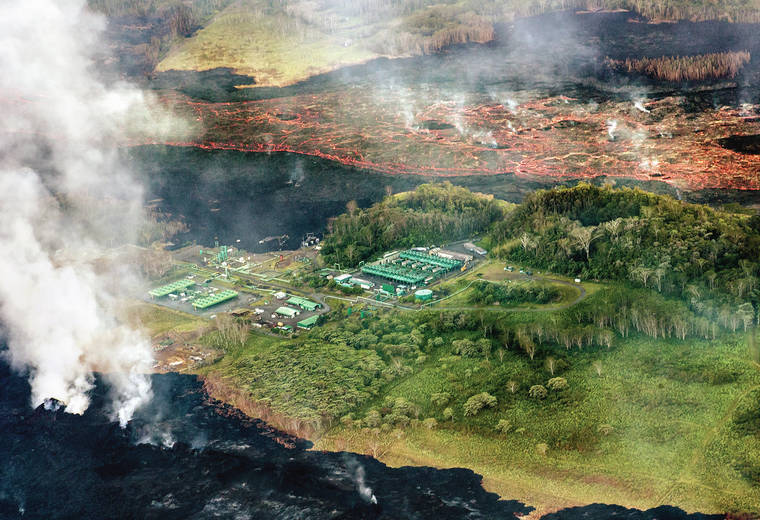
Harnessing geothermal energy means tapping into Pele’s power, locally, renewably, and affordably.
Benefits of geothermal energy:
- Local control – Energy sourced right here at home
- Long-term savings – More cost-stable than oil, solar batteries, or imports
- Energy independence – Keep wealth within Hawai‘i
- Job creation – From engineers to cultural monitors, we build careers for our people
Other nations treat energy as strategic. Hawai‘i should too.
Dependency is the Opposite of Sovereignty
Hawai‘i relies on:
- Foreign oil for power
- Foreign corporations for utility control
- Foreign shipping routes to deliver energy
Every barrel of oil represents debt, pollution, and displacement.
Rejecting local renewable options like geothermal is a step backward. It’s a choice to stay dependent when independence is within reach.


A Cultural Perspective: Power from the Land
What could be more sovereign than fueling your life with your own land?
Geothermal doesn’t oppose Hawaiian values, it embodies them:
“We don’t need your oil. We don’t need your money. We have Pele. We have mana. We have each other.”
No one has offered a better 24/7 local solution that respects land, people, and sustainability.
Building a Future with Community-Owned Energy
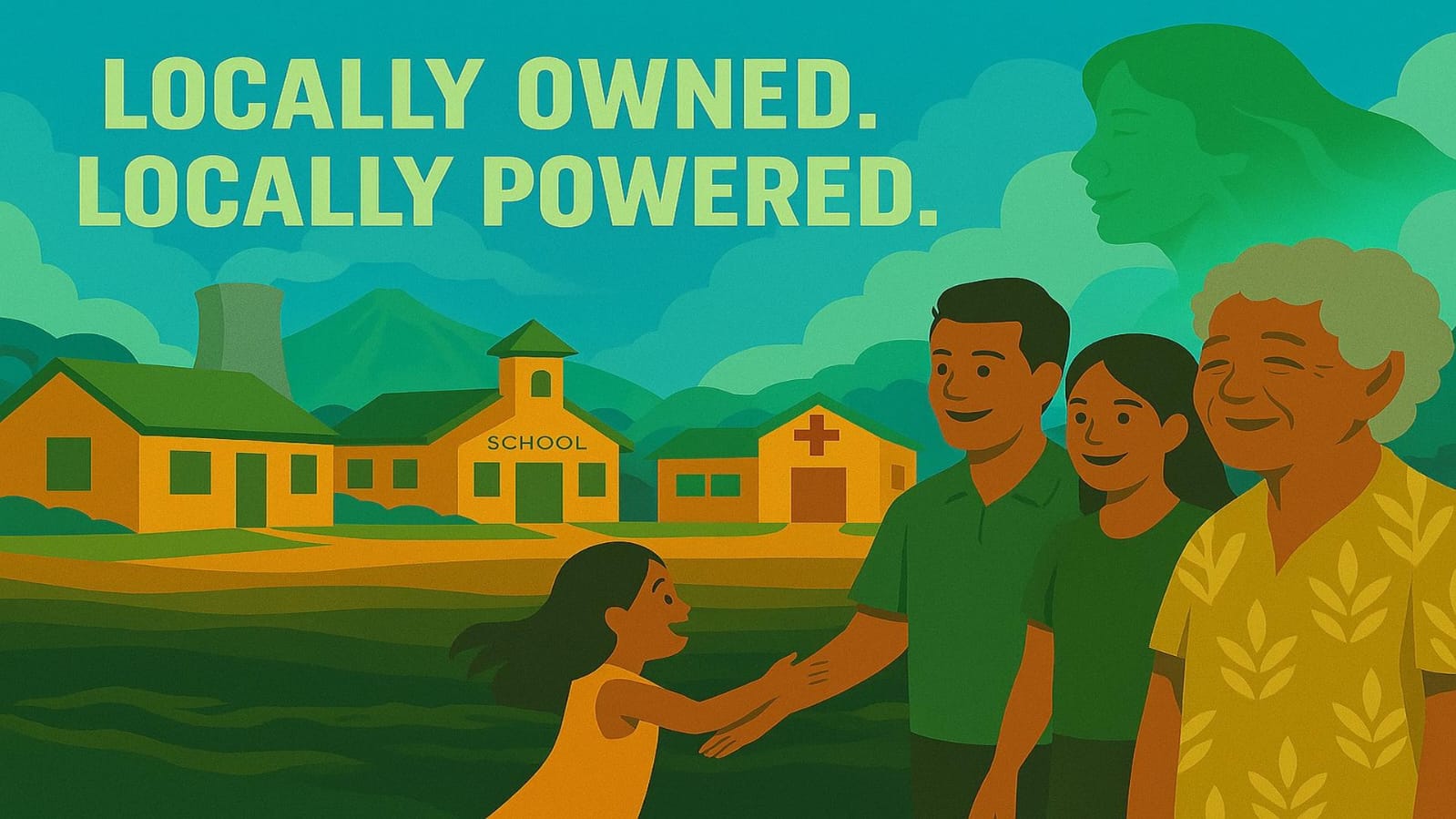
A Vision for Local Ownership
Imagine this future:
- Geothermal plants co-owned by Hawaiian co-ops
- Energy revenue funds schools, healthcare, and housing
- Cultural protections and kupuna-led governance
- Clean energy is powering homes and preserving the land
This is not a corporate takeover. This is community-led empowerment.
No Energy Justice = No True Sovereignty
You can’t chant “Kū Kiaʻi Mauna” while burning Chevron gas and paying $500 to a corporate utility.
Real protection of Hawai‘i includes how it’s powered.
Energy sovereignty impacts:
- Housing
- Health
- Affordability for future generations
Sovereignty starts with sustainability. Sustainability starts with self-reliance.
Power for the People. Power from the People. Power by Pele.
Frequently Asked Questions (FAQs)
Energy sovereignty means local communities have control over how energy is produced, managed, and priced, ensuring it benefits people, not corporations.
Geothermal energy uses local heat sources to generate power, reducing dependence on imported oil and helping lower electricity costs across the islands.
When energy is expensive and controlled by outsiders, local people struggle to afford living on their own land, weakening cultural and economic independence.
Geothermal can be developed in culturally respectful and environmentally safe ways when guided by community input, cultural monitors, and sustainable planning.
Hawaiian families and local communities benefit through lower bills, job creation, cleaner air, and revenues that fund education, housing, and healthcare.