Mythology vs. Modernity: Can We Honor Culture and Still Move Forward?
“Holding onto culture should never mean letting go of our future.”
In Hawaiʻi, culture runs deep. We chant before we speak. We ask permission before we act. We honor our kūpuna in everything we do. But as we face climate change, energy crises, and the rising cost of living, a hard question hangs in the air:
Can We Honor the Sacred and Embrace Progress?
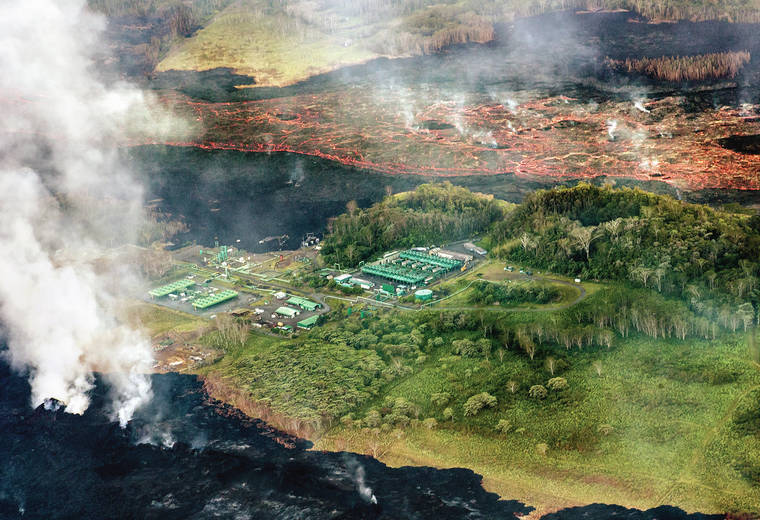
For many, the answer feels like a tug-of-war, especially when it comes to the use of geothermal energy. Some believe that drilling into the earth disrespects Pele, the Hawaiian volcano goddess, and a powerful ancestral force. But perhaps we’re asking the wrong question. Instead of debating mythology vs. modernity, we should ask how we can use one to guide the other, blending cultural heritage with sustainable progress for the future.
Mythology: The Backbone of Hawaiian Identity
Mythology is more than just storytelling; it is identity, memory, and connection. It’s how we explain the unexplainable and pass down wisdom through generations.
Pele, the goddess of fire and volcanoes, isn’t just a symbol of lava and flame; she embodies creation, destruction, and renewal. She reminds us of our deep connection to the land and the rhythms of nature. But mythology was never meant to freeze us in time.
Our kūpuna (ancestors) didn’t simply worship the stars; they studied and understood them. They didn’t just fear the ocean, they sailed it. They didn’t just tell stories about the gods, they built their lives based on the lessons learned from those stories. And when the time came to evolve, they did.
So, why are we so afraid to do the same?
Mythology as a Compass for Progress
Mythology should not be seen as a barrier to progress. It’s a compass guiding us towards understanding the land, our ancestors’ wisdom, and our role in shaping a sustainable future.
Modernity: A Tool, Not a Threat
Let’s be honest: our people are suffering.
- Hawaiians are paying the highest electricity prices in the U.S.
- Families are getting priced out of their own homelands.
- Our island is importing billions of dollars of fossil fuel every year while the Earth literally burns.
Yet we fight renewable, clean, local energy like geothermal in the name of tradition?
That’s not protection. That’s paralysis.
Modernity isn’t the enemy. Disconnection is.
When we lose sight of what progress is actually for, to serve people, to serve the ʻāina, then yes, we lose our way. But when progress is guided by values, when it’s shaped by the community and aligned with the spirit of our stories, then it becomes something sacred in itself.
The Sacredness of Progress
Progress, if guided by culture, can be sacred. It’s about connection, honoring the past while innovating for the future. Geothermal energy can be part of that innovation when shaped with respect and wisdom.


Culture and Technology Can Coexist
Let’s drop the false choice between tradition and innovation.
You can bless a site and still build on it.
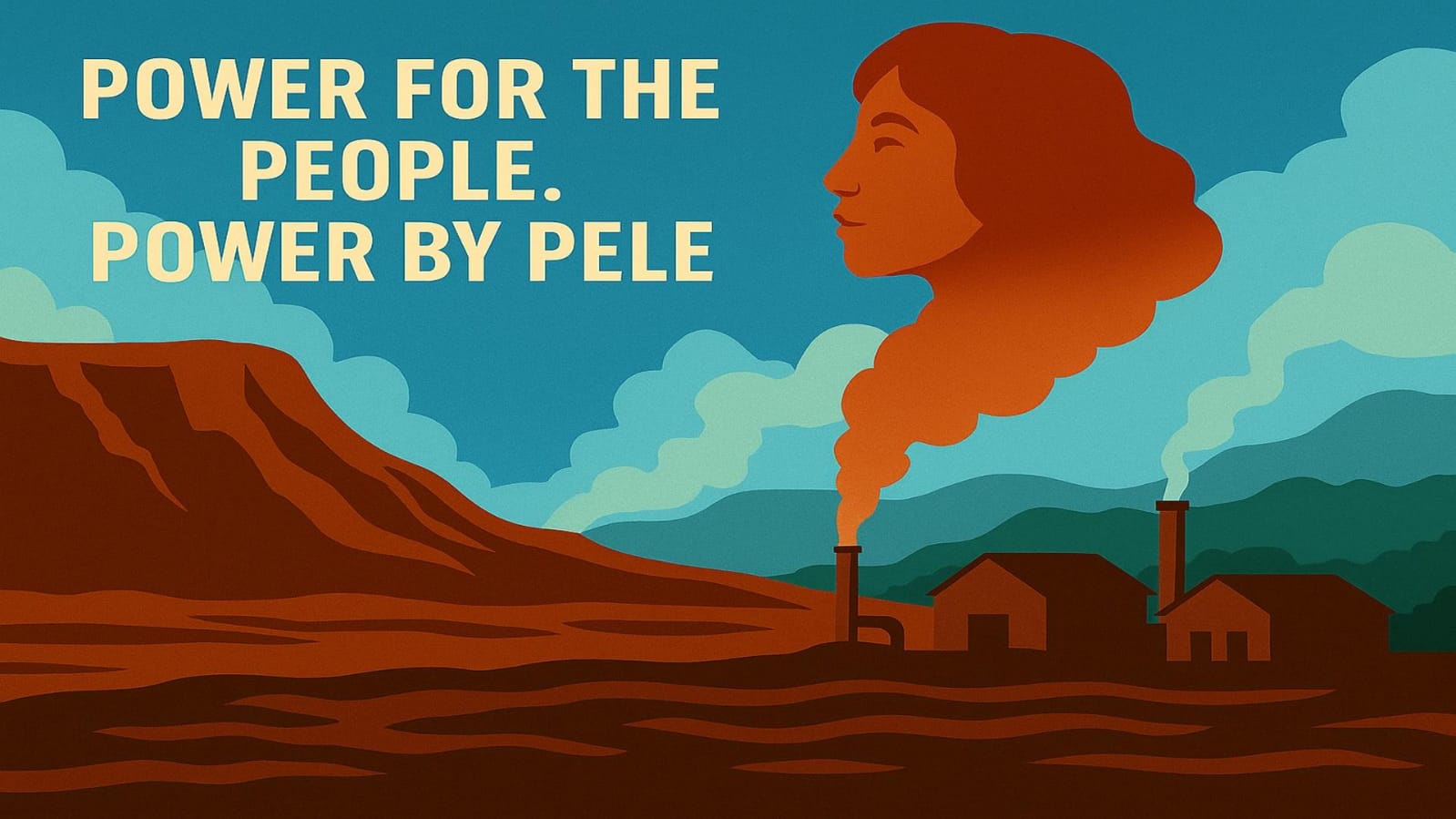
You can honor Pele and still use her heat to power hospitals, schools, and homes.
You can walk in your ancestors’ footsteps without pretending they never wanted better tools.
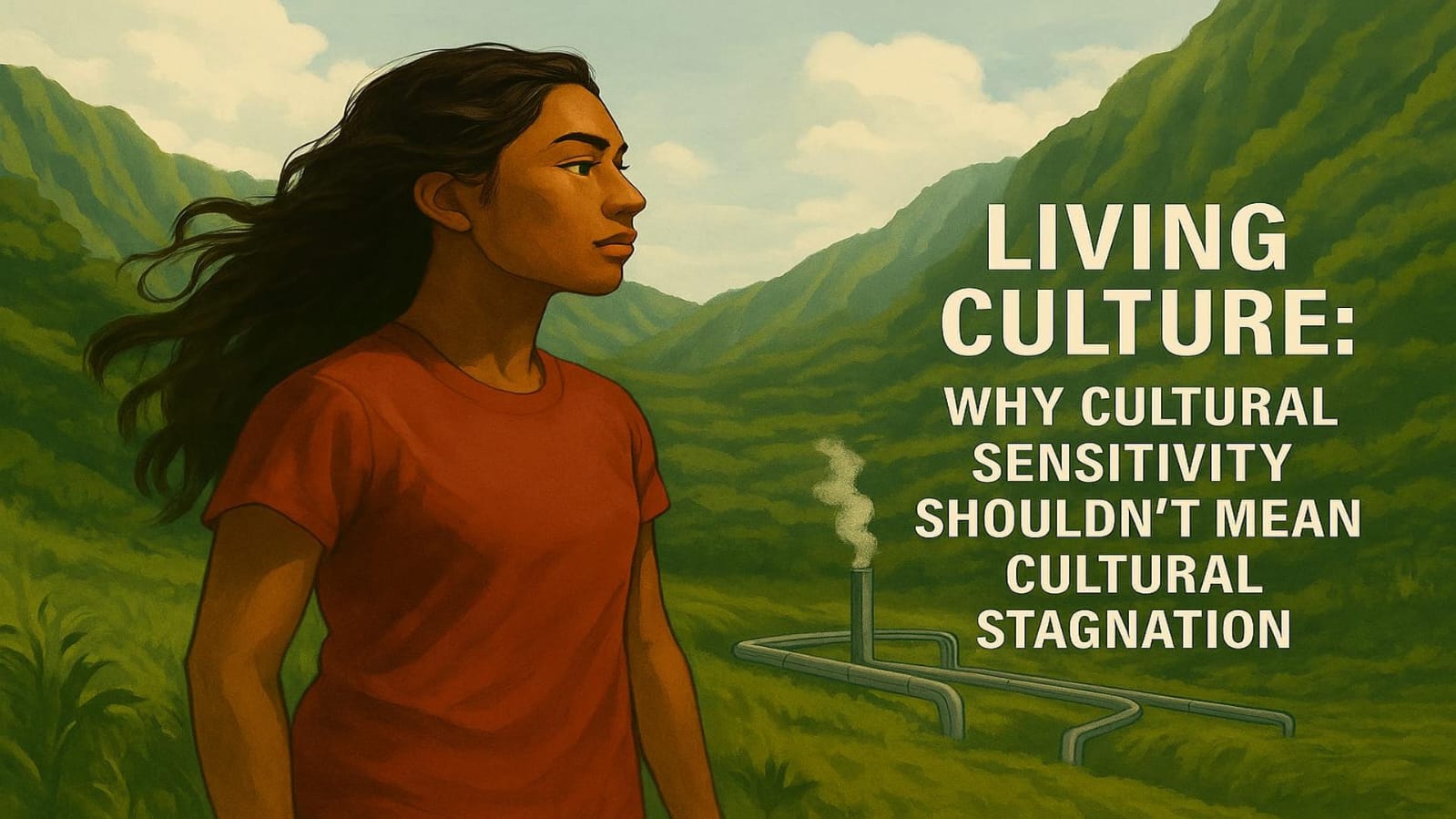
Culture is not just what we protect, it’s also what we adapt.
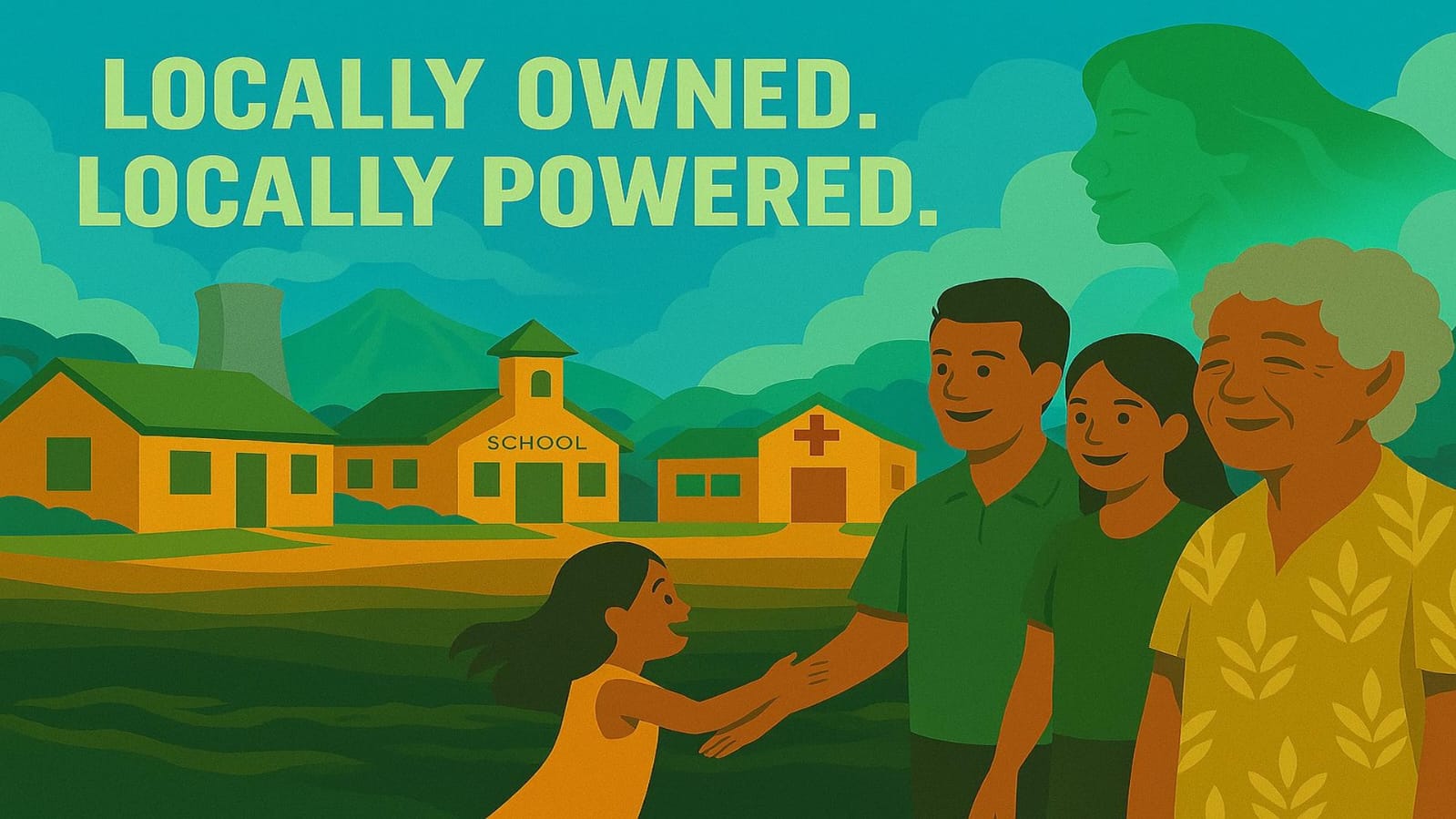
We have the opportunity to shape geothermal development in a way that is culturally guided, community-owned, and environmentally respectful. Why would we reject that?
A Vision for Cultural and Technological Harmony
By fostering collaboration between culture and modern technology, we can ensure the future remains rooted in the values of respect, sustainability, and community care.
A New Kind of Sacred
We talk about sacredness like it only applies to chants and heiau. But what about:
- Keeping our people on the land by lowering utility costs?
- Reducing pollution that harms our coral, air, and water?
- Using a resource that belongs to Hawaiʻi instead of paying foreign oil companies?
What if sovereignty is sacred?
What if local resilience is sacred?
What if using what Pele has given us, wisely and with respect, is the most sacred act of all?
Defining Sacredness in Modern Times
Sacredness extends beyond tradition. It is embedded in protecting our environment, sustaining our people, and embracing solutions that align with our core values.
Final Thought: The Story We Write Next
Mythology is not the opposite of modernity.
It’s a compass.
Our culture doesn’t have to be a barrier to innovation, it can be the foundation of it.
Our spirituality doesn’t have to shut down solutions, it can shape them.
Our ancestors never said, “Don’t move forward.” They said, “Don’t forget where you came from.”
It’s time we honor that by choosing a future rooted in wisdom and open to progress.
Let’s stop acting like we have to pick between Pele and the power she offers us.
Let’s start writing the next chapter of our story—one where Hawaiians lead, innovate, and thrive.
Power for the People. Power from the People. Power by Pele.
Hawaiian mythology preserves cultural identity, ancestral wisdom, and our connection to the land. It offers guidance in making values-based decisions.
Pele is the volcano goddess in Hawaiian mythology. She symbolizes creation, destruction, and renewal, and is considered a sacred ancestral force.
Yes. When developed with cultural respect, community input, and environmental care, geothermal energy can support both tradition and progress.
Absolutely. Kūpuna didn’t resist change, they read the stars, navigated oceans, and evolved with time. Innovation guided by values was part of their way of life.
Not if done mindfully. Using geothermal energy in respectful, locally led ways can be seen as honoring Pele’s gift to the people.