Honoring the Land Means Letting Go of Oil
“If we’re going to talk about sacredness, let’s be consistent. What’s more harmful embracing clean energy from Pele herself or burning imported poison that pollutes her skies?”
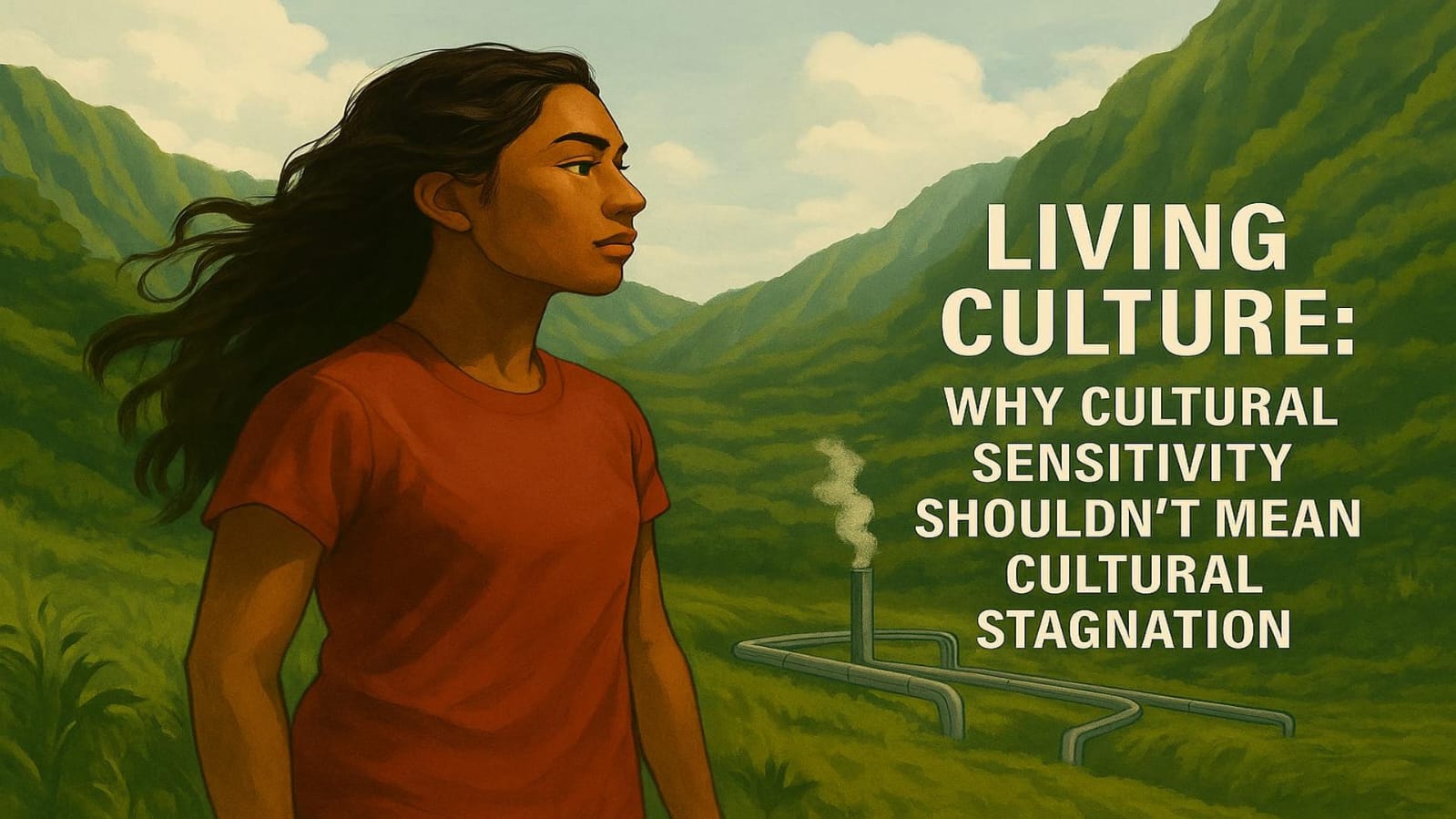
In Hawai‘i, we talk a lot about protecting the land, the culture, the mana. We protest energy projects geothermal, solar, wind because they might disturb the ‘āina. Because they don’t feel “pono.” Because they’re seen as “not Hawaiian.”
But there’s something we’re not protesting: oil.
Fossil fuels are shipped in from across the ocean, burned in our backyards, and quietly pollute the skies over Hilo and Honolulu. We’ve normalized it as just part of life, but the truth is this is the real desecration.
Fossil Fuels Are Hurting Us Right Now
Every gallon of oil we burn in Hawai‘i comes at a cost, and not just on your electric bill.
Environmental damage:
• Oil spills during transit poison marine life and shorelines
• Burning oil pollutes our air and accelerates climate change
• Rising temperatures and extreme weather threaten our ecosystems
Cultural harm:
• Oil extraction often desecrates other Indigenous lands
• We pollute our own air and water by relying on it
• We become dependent on systems that don’t reflect our values
Financial strain:
• Over $6 billion leaves Hawai‘i every year to pay for imported oil
• Our electricity rates are 2 to 3 times the national average
• These costs fall hardest on our working families
The Double Standard Around Geothermal
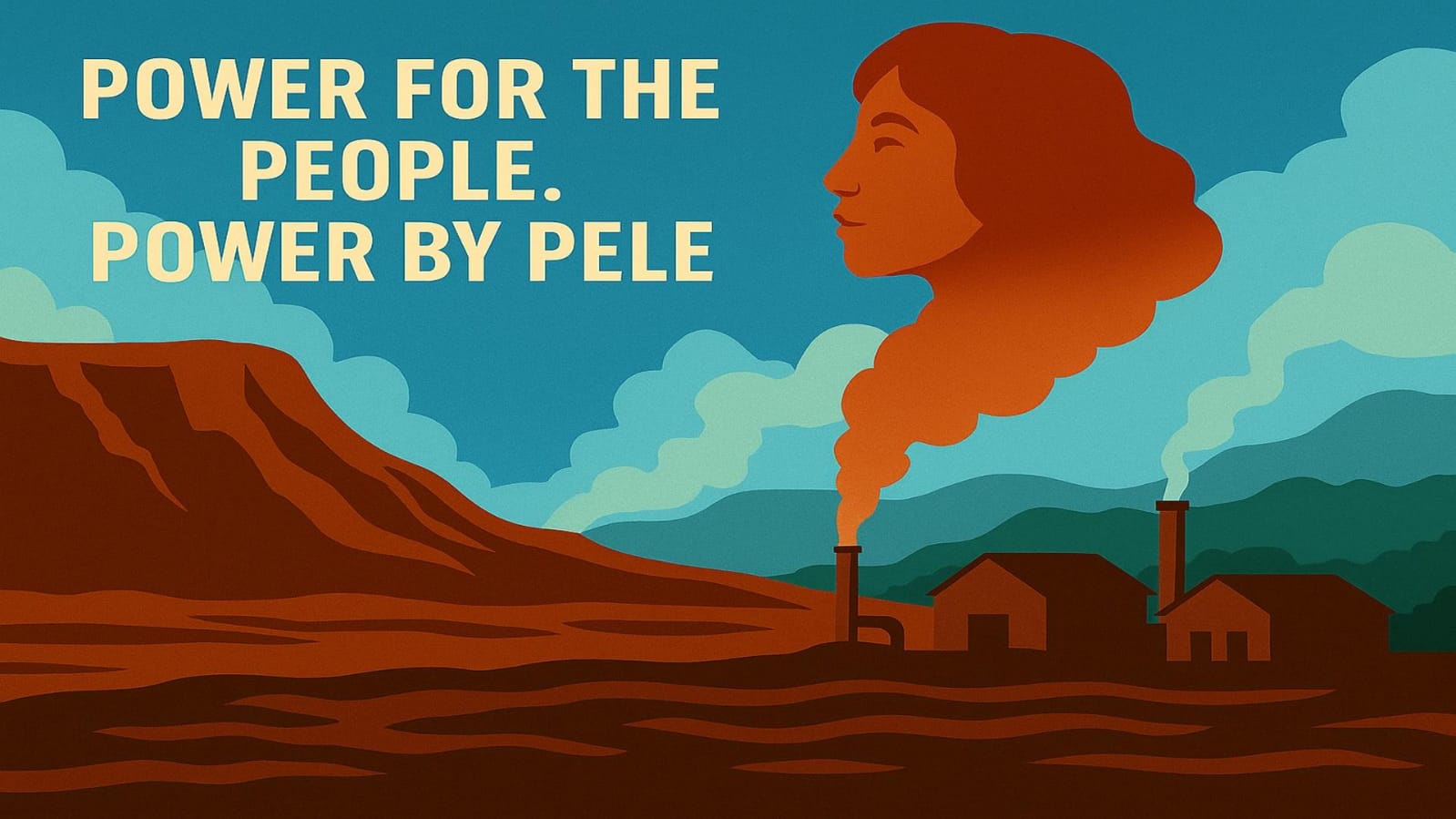
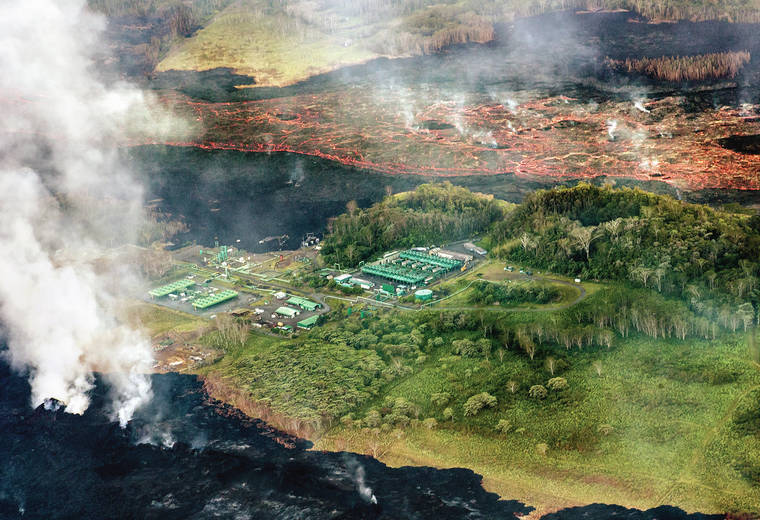
We raise concerns about geothermal yet it’s one of the cleanest, most local forms of energy available. It comes from right beneath us. From Pele herself.
There are no plumes of black smoke. No oil barges crossing the ocean. No pipeline disasters.
Still, many view geothermal with suspicion while accepting oil as the norm. But what’s really more harmful to the ʻāina using local energy from the earth, or burning imported toxins that poison our people?
Let’s look at the facts.
A Clearer Comparison
Feature | Geothermal Energy 🔥 | Imported Oil 🛢️
——————|———————-|————————–
Source | Local—Hawai‘i Island | Foreign—shipped from afar
Emissions | Very low | High—carbon, sulfur, toxins
Reliability | 24/7, all-weather | Dependent on global markets
Cost | Stable, decreasing | Volatile, increasing
Cultural Impact | Honors the land | Pollutes and exploits
Land Use | Minimal footprint | Air, water, and soil pollution


Choosing a Sacred Future
You can’t say you love the land while flipping on lights powered by dirty fuel. You can’t chant for the protection of the ʻāina and ignore the haze caused by burning oil.
And you certainly can’t honor Pele while rejecting the clean energy that she placed beneath your feet.
If we really believe in sovereignty, in aloha ʻāina, in Hawaiian values then we need to start walking the walk.
Let’s stop pretending oil is invisible just because it’s familiar. Let’s call it what it is: a toxic addiction.
Time to Shift toward a Local, Clean Future
Pele has already given us the most powerful, reliable, and local energy source on the planet. It’s time to trust in that gift and in ourselves.
This isn’t about trading one form of desecration for another. It’s about choosing health over harm. Independence over dependence. Truth over tradition when tradition no longer serves us.
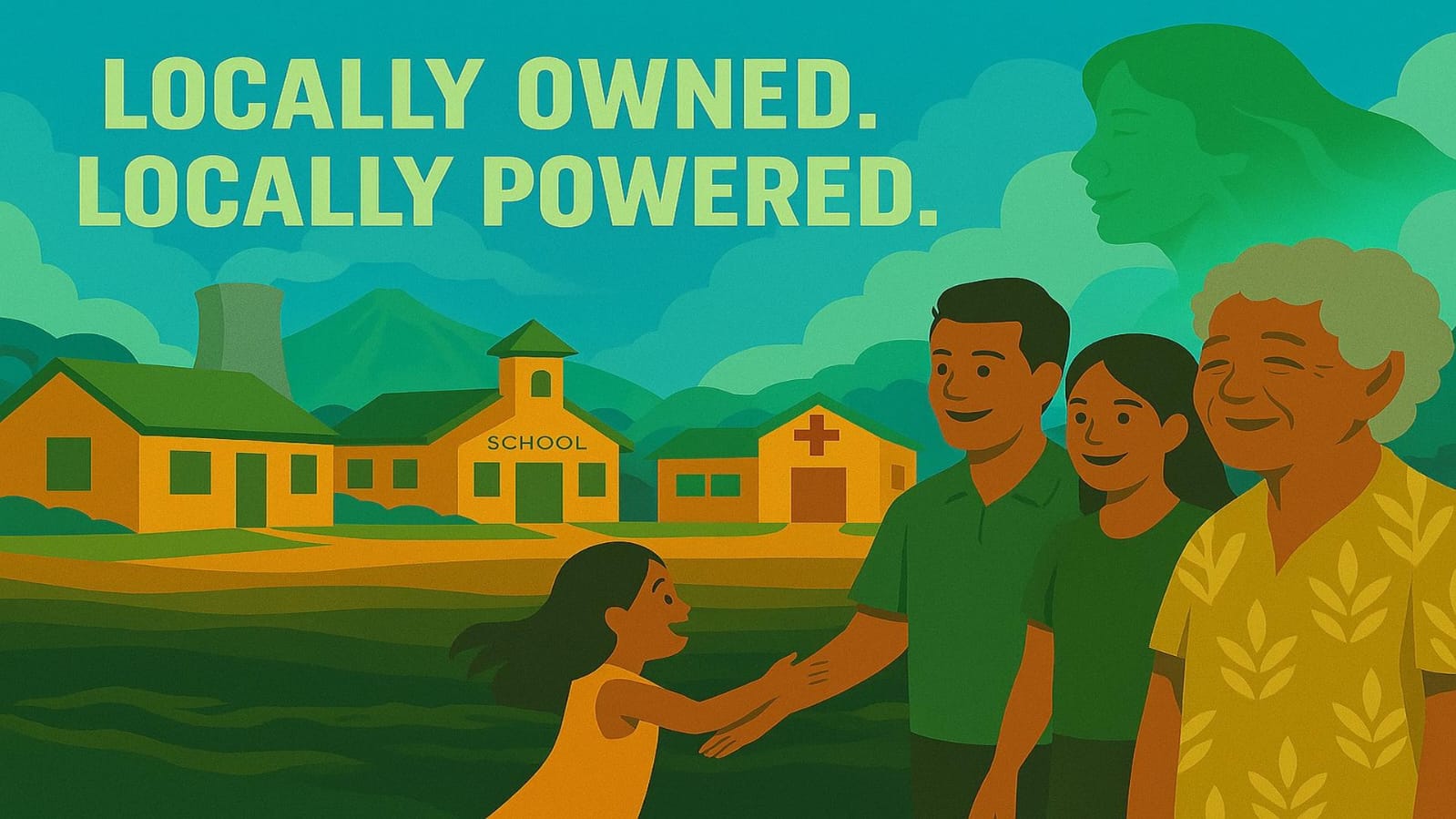
Let’s build a future powered by the land. For the land. By the people.
Power for the People. Power from the People. Power by Pele.
📢 Share this message. Talk with your ʻohana. Ask the tough questions. Demand better answers.
Frequently Asked Questions (FAQs)
Because it pollutes our air and water, contributes to climate change, and costs us billions every year. Oil extraction also harms other Indigenous lands and makes Hawai‘i dependent on foreign markets.
Yes. Geothermal energy produces very low emissions and has a small land footprint. It's one of the cleanest and most sustainable sources of power available today.
Not at all. Geothermal energy comes from Pele’s natural heat beneath the earth. Using it responsibly is a way to honor her gift not exploit it.
Unlike solar or wind, geothermal provides consistent, 24/7 energy. It doesn’t rely on sunshine or wind conditions, making it a reliable source of baseload power.
Start by learning more, sharing resources like this blog, and engaging with local efforts to shift away from fossil fuels. Demand policies that prioritize clean, local energy for all.