The $1,000 Electric Bill: Why Saying No to Clean Energy is Hurting Hawaiians
“Culture cannot survive without people—and people cannot survive $1,000 electric bills.”
In Hawai‘i, families are paying up to $1,000 a month just to keep the lights on. That’s not hyperbole that’s the reality for many households trapped in an energy system that relies on imported oil while rejecting proven, local alternatives like geothermal.
It’s time we ask a hard question: What’s more harmful to Hawaiian culture developing clean local energy, or driving our people off the islands?
The Real Cost of Saying No to Everything
Across Hawai‘i, clean energy projects are being blocked in the name of preservation:
• Wind farms are denied for disrupting views
• Geothermal is opposed due to cultural myths
• Solar expansion is stalled by permit fights
• Grid updates are stopped over fear of change
Meanwhile, we spend over $6 billion a year on imported oil and pretend we’re protecting the land. But we’re not protecting people. We’re preserving poverty.
Hawai‘i’s Energy Crisis by the Numbers
• Hawai‘i has the highest electricity rates in the U.S.
• Residents often pay 25 to 30 cents per kilowatt-hour
• A typical family’s bill can exceed $1,000 per month
• 80 percent of our electricity still comes from imported oil
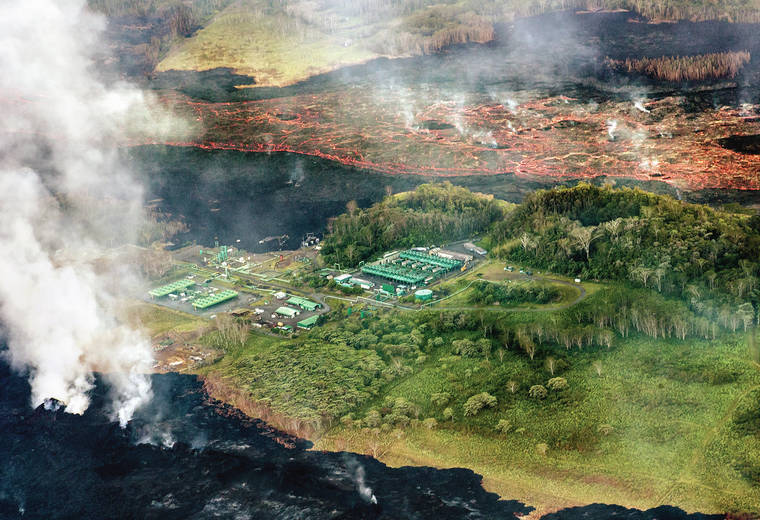
And yet we sit on geothermal resources that are local, renewable, and ready to reduce costs.
A Cultural Contradiction We Can’t Afford
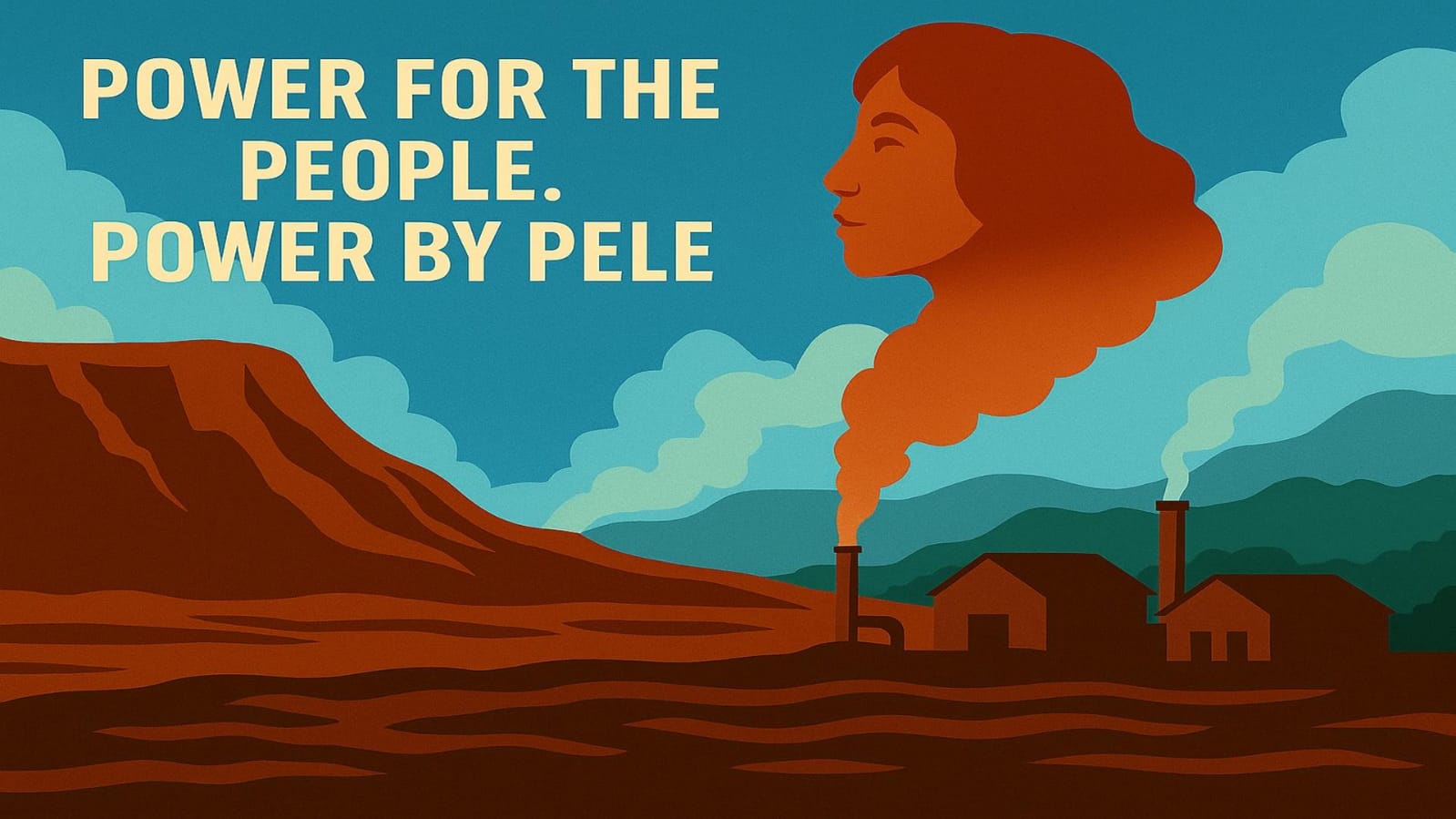
We claim to protect Hawaiian culture while rejecting the energy of Pele. We send billions out of state rather than create jobs at home. We burn oil from Indonesia instead of harnessing heat from our own land.
This mindset is not pono. It’s painful. And it’s pushing our people away.
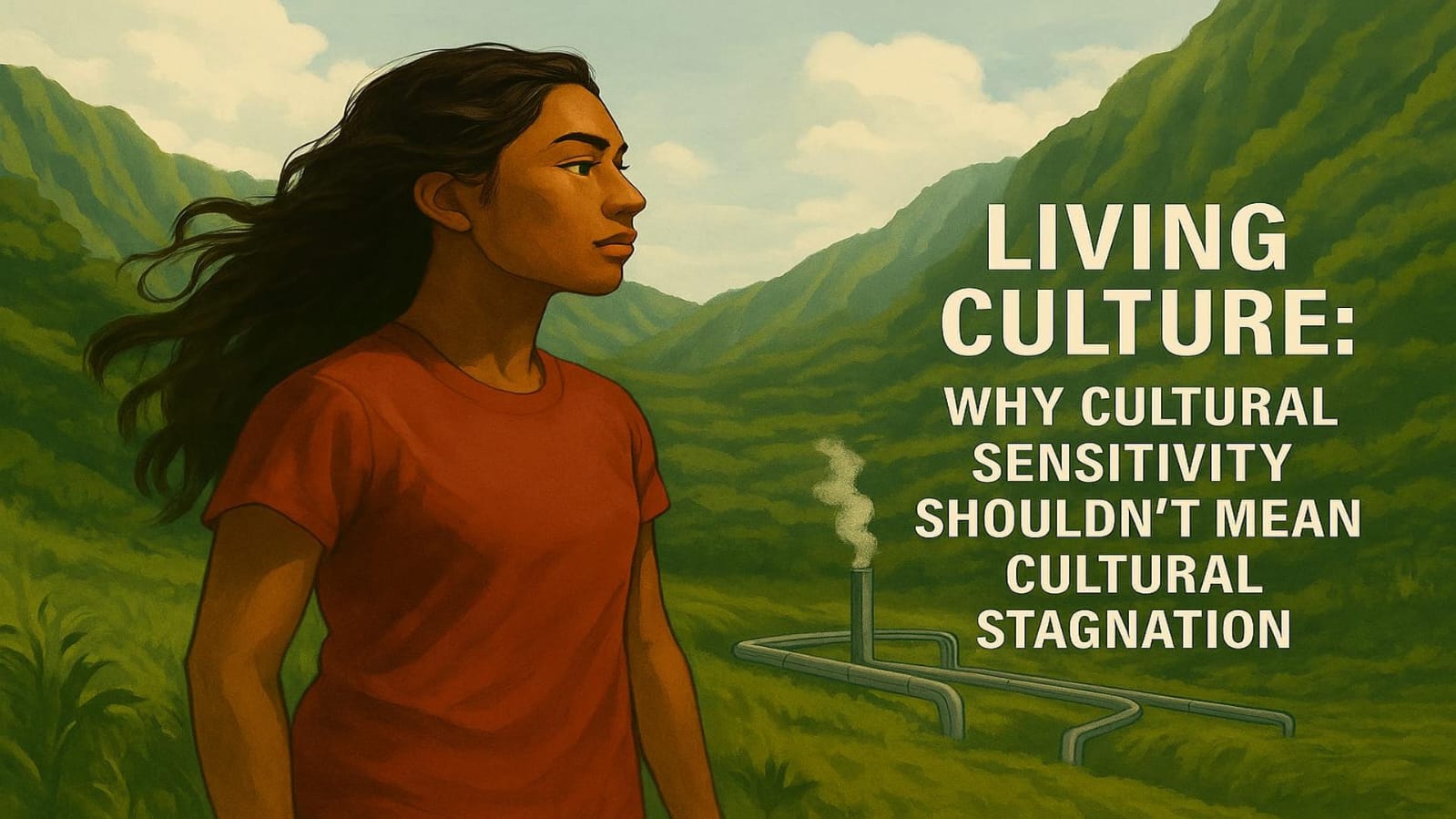
Culture must evolve to survive. It’s time to reframe what true cultural protection looks like.


How We Move Forward with Respect and Vision
The answer is not to say no to everything. It’s to ask how we can do things the right way:
• How can we build geothermal with cultural input?
• How can we prioritize energy systems that lower bills?
• How can we keep families rooted while respecting the ʻāina?
This is not about choosing between values and progress. It’s about honoring both. We must choose courage and compromise over conflict and fear.
Culture Can’t Survive Without People
Tradition without people is a museum. And right now, our people are being priced out of their culture.
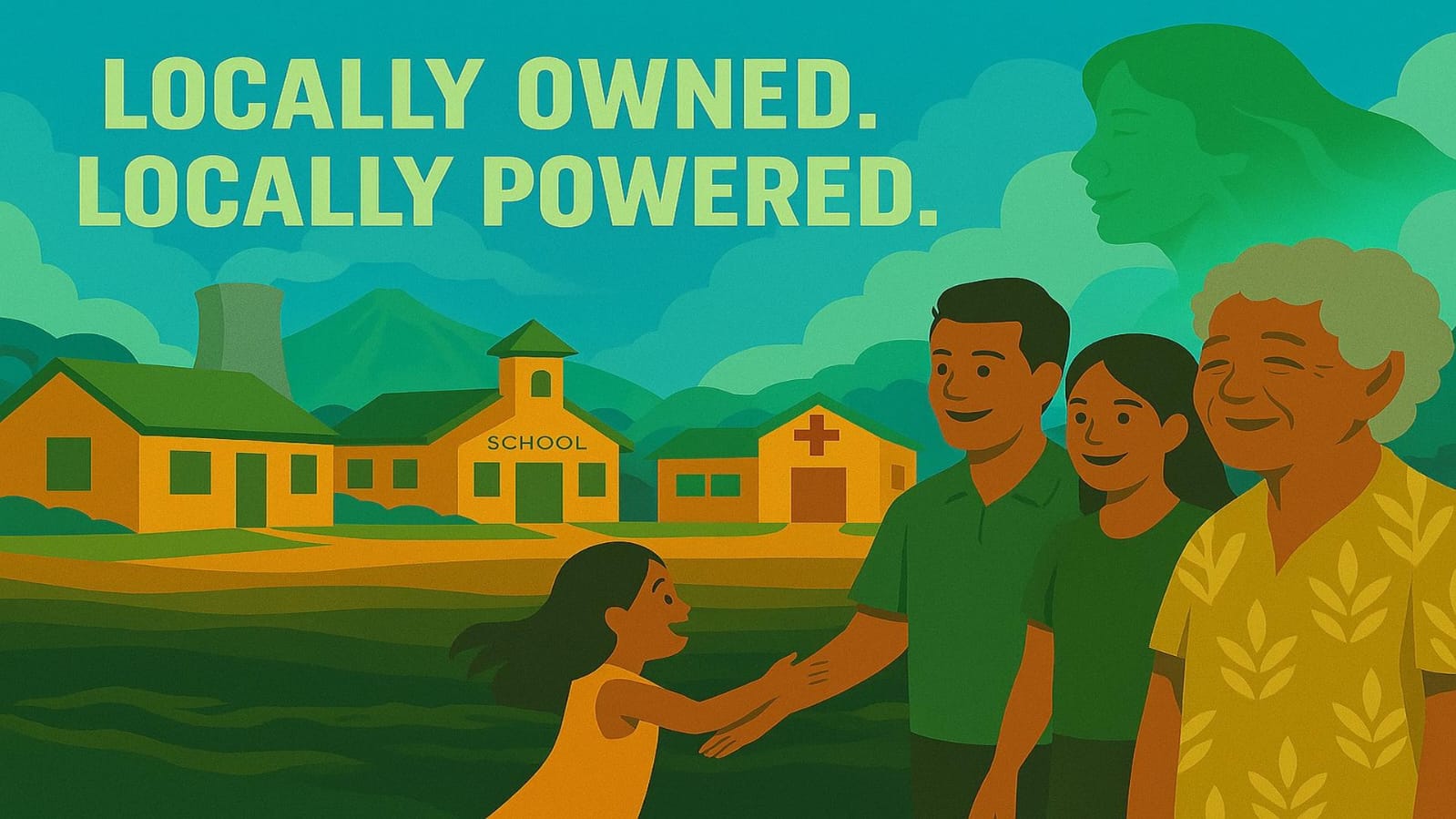
Let’s stop blocking every solution. Let’s stop confusing inaction with protection. Let’s choose clean, local energy that supports our people, our values, and our future.
Power for the People. Power from the People. Power by Pele.
👉 Tired of $1,000 electric bills? So are we. Let’s do something about it.
Frequently Asked Questions (FAQs)
Hawai‘i has the highest electricity rates in the U.S. because we import about 80% of our energy from foreign oil. That reliance on oil means residents pay 25–30 cents per kilowatt-hour or more, often resulting in monthly bills of $800 to $1,000 for a typical home.
Projects like wind farms, solar expansions, and geothermal development are frequently blocked due to concerns over aesthetics, cultural misunderstandings, bureaucratic red tape, and resistance to change. This “anti-everything” culture is preventing real solutions from moving forward.
Geothermal energy has faced cultural opposition, but much of it is based on myth or fear rather than fact. When done responsibly with community oversight, geothermal is a clean, local, and respectful solution deeply connected to the land and the legacy of Pele.
Geothermal provides constant, 24/7 power without relying on imported fuel. Because it’s local and renewable, it can help stabilize electricity costs, reduce dependence on foreign oil, and lower the average monthly energy bill for families in Hawai‘i.
It means that by refusing to embrace clean energy solutions, we’re not protecting Hawaiian people—we’re trapping them in a cycle of high costs and financial hardship. Real cultural preservation includes economic sustainability for our communities.