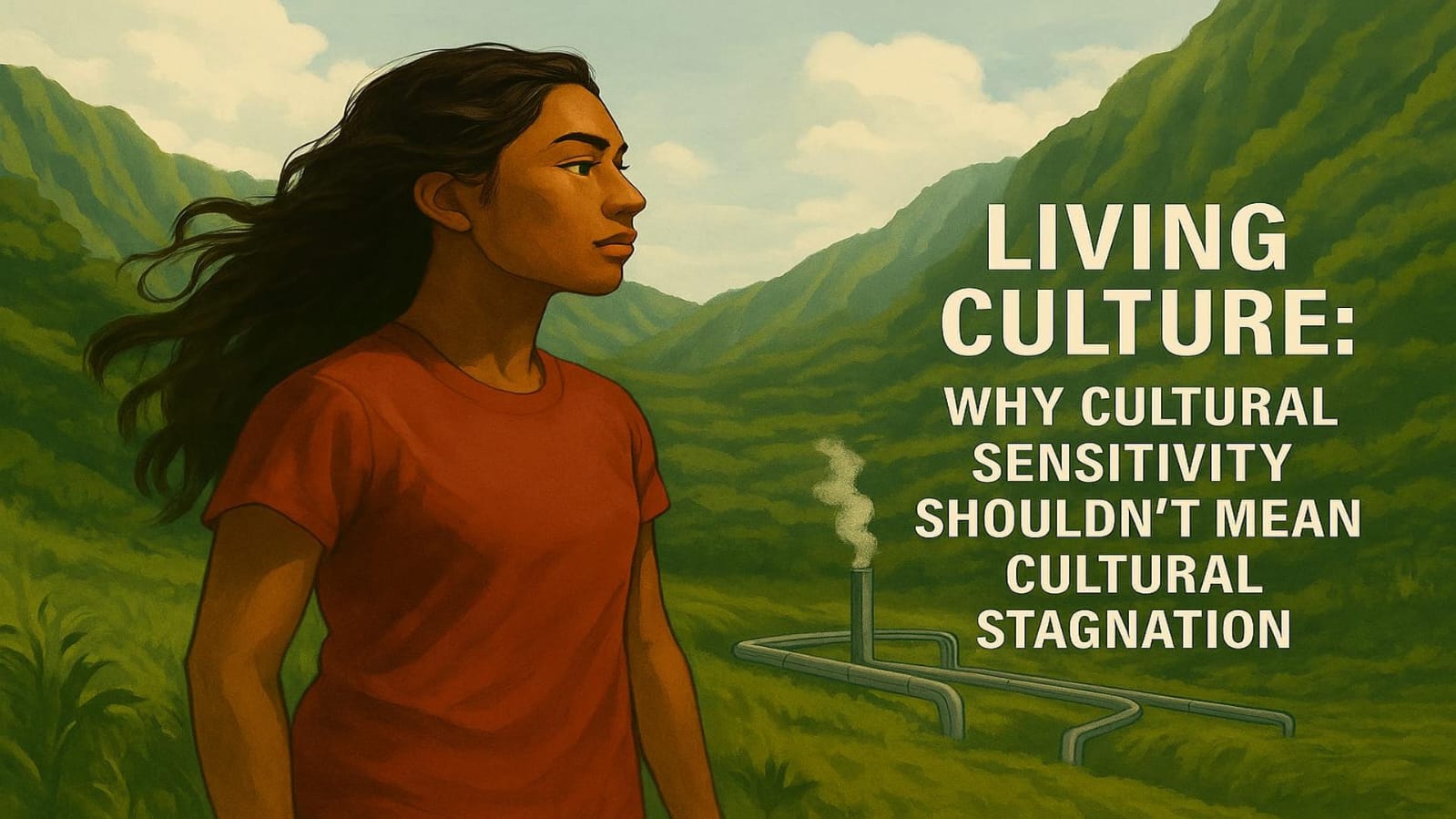
Living Culture Why Cultural Sensitivity Shouldn’t Mean Cultural Stagnation
“If culture is alive, then it must grow. And if it must grow, it must move.”
In Hawaiʻi, cultural sensitivity carries deep meaning. It shapes environmental reviews, public hearings, and grassroots movements. We honor our kūpuna. We protect sacred spaces. And we tread carefully rightfully so.
But here’s the truth we hesitate to say out loud:
Cultural sensitivity is not the same as cultural paralysis.
When Sensitivity Turns Into Stagnation
In the effort to protect our heritage, we often default to “no.”
• No to geothermal energy
• No to solar farms
• No to clean, sustainable development
Why? Because it “feels too modern.” Because it “might offend someone.”
But our culture wasn’t built on fear. It was built on bold movement, guided innovation, and adaptation.
Hawaiian Culture Has Always Been Progressive
Our ancestors weren’t afraid of technology—they were the technology of their time.
They were voyagers, engineers, builders, astronomers.
• They transformed lava rock into fishponds
• Designed advanced irrigation systems
• Navigated entire oceans using the stars
This wasn’t passive preservation. It was proactive progress.
Let’s not confuse reverence with fear. Let’s stop treating Hawaiian culture as a museum artifact—it is living, breathing, and evolving.
Respect and Innovation Can Coexist
Progress doesn’t mean bulldozing sacred sites. It means asking:
• Can we develop clean energy with cultural oversight?
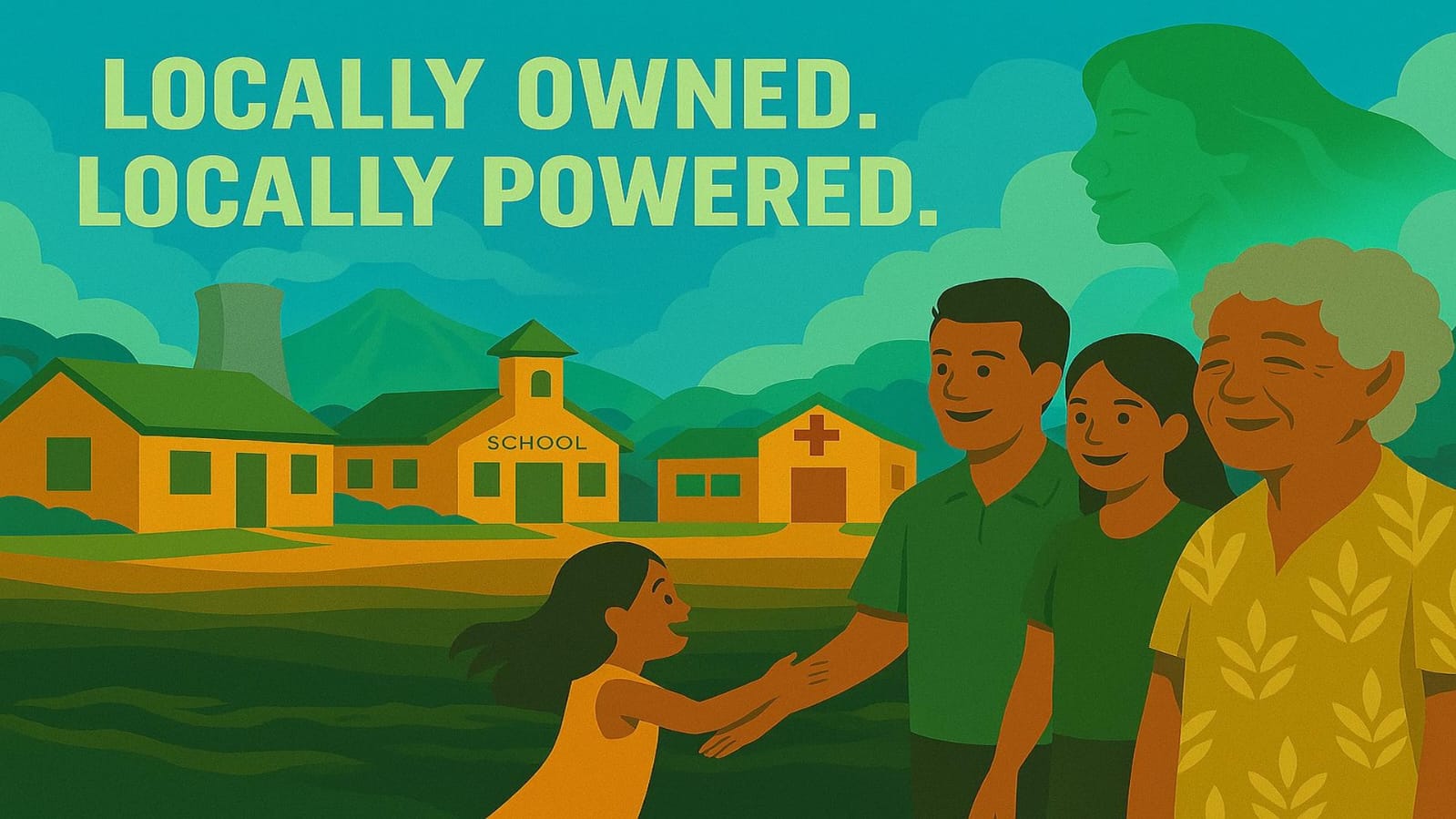
• Can Native Hawaiians own and lead these projects?
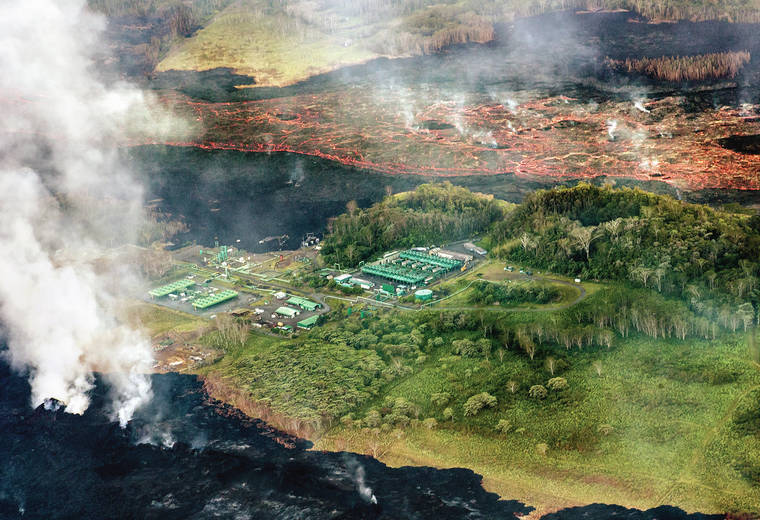
• Can geothermal provide affordable power and honor the land?
Yes, it can. When done right, sustainable energy projects can reflect Hawaiian values of aloha ʻāina, kuleana, and community resilience.

The Real Goal of Cultural Sensitivity
Cultural sensitivity should help us ask:
• What sustains our people long-term?
• What actions reflect both tradition and vision?
• How do we protect the past while empowering our future?
Sometimes, the most culturally sensitive choice is also the most innovative one.
Let’s Move Forward with Aloha and Courage
If we truly want Hawaiian culture to thrive, we must let it breathe.
We cannot honor our kūpuna by rejecting their spirit of courage, risk, and adaptation. And we cannot protect the ʻāina while ignoring the sustainable power it offers us.
Let’s embrace cultural sensitivity as a call to lead—not to freeze.
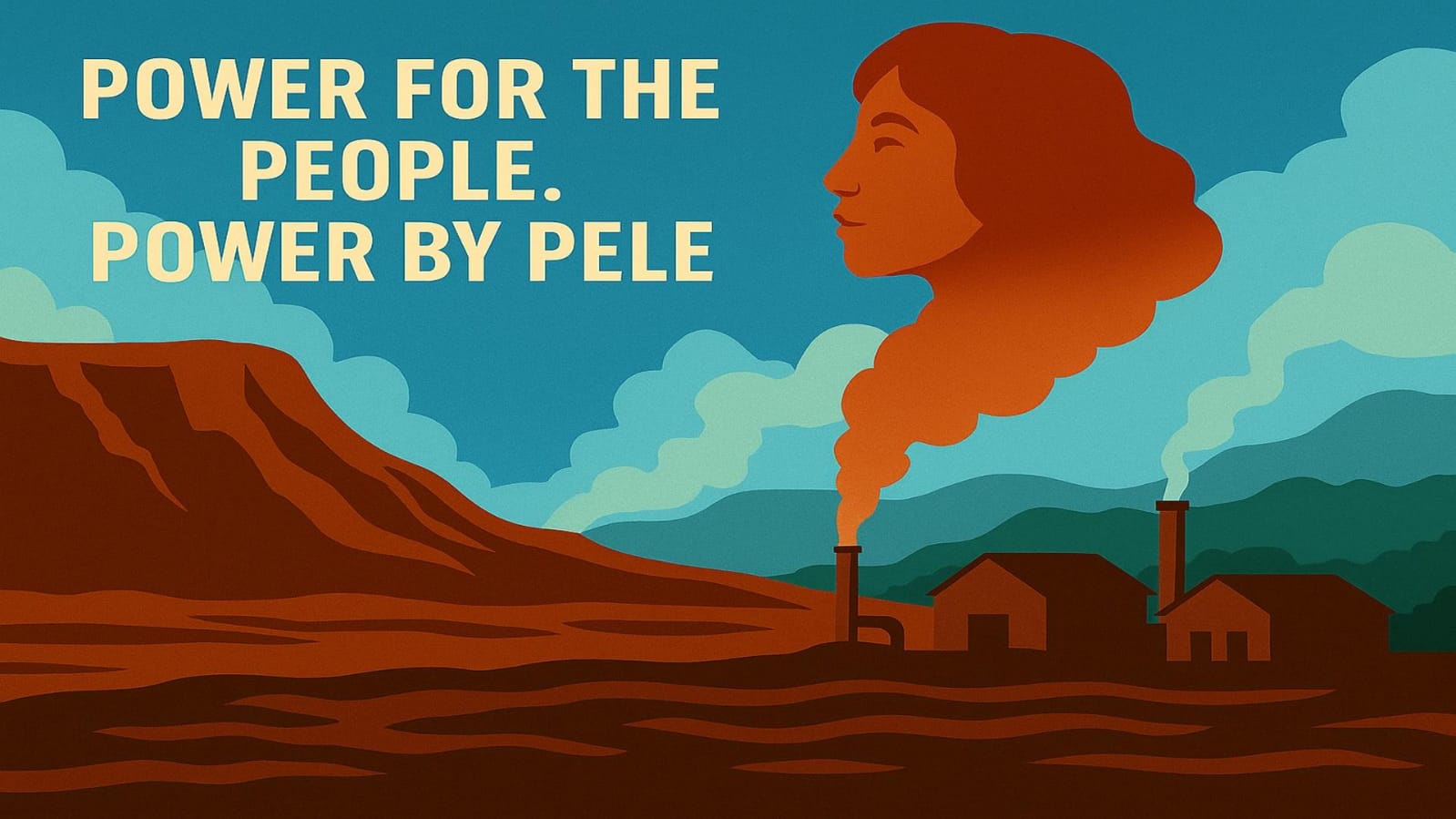
Power for the People. Power from the People. Power by Pele.
Join the Conversation
🌋 Ready to support clean energy guided by Hawaiian values?
Frequently Asked Questions (FAQs)
Cultural sensitivity in Hawaiʻi means respecting Native Hawaiian traditions, sacred places, and ancestral values. It involves listening to community voices, practicing aloha ʻāina (love for the land), and ensuring development aligns with cultural principles.
Not when done responsibly. Geothermal energy, when developed with cultural oversight, Native Hawaiian leadership, and environmental safeguards, can reflect kuleana (responsibility) and sustainability—core values of Hawaiian culture. It’s not disrespect; it’s modern stewardship.
Progress and preservation are not opposites. Hawaiian ancestors were innovators who balanced tradition with advancement. Modern solutions like clean energy can continue that legacy—honoring the past while building a thriving future.
When cultural sensitivity becomes overprotective, it can hinder sustainable development that benefits communities. Cultural stagnation happens when fear of change prevents innovation, even when that innovation supports long-term cultural survival.
Hawaiian ancestors were navigators, engineers, and astronomers. They developed complex agricultural systems, built fishponds, and sailed across the Pacific. Innovation and adaptation were essential to their survival—and should be to ours as well.