The Māori Embrace Geothermal: Why Are Hawaiians Still Debating It?
“Two proud Polynesian peoples. One embraces indigenous energy. The other is still arguing about whether it’s sacred or sacrilege. Why?”
A Tale of Two Polynesian Peoples
When you visit Aotearoa (New Zealand), one thing becomes immediately clear: The Māori people are not just surviving, they’re thriving. And they’re doing it, in part, by embracing geothermal energy.
Māori iwi (tribes) across the North Island have ownership stakes in geothermal plants. They are actively developing, partnering, and profiting from this abundant, local, renewable resource.
They see geothermal for what it is:
- A gift from their ancestors.
- A pathway to sovereignty.
- A solution that aligns with both tradition and progress.
Now let’s zoom back in on Hawaiʻi. Here?
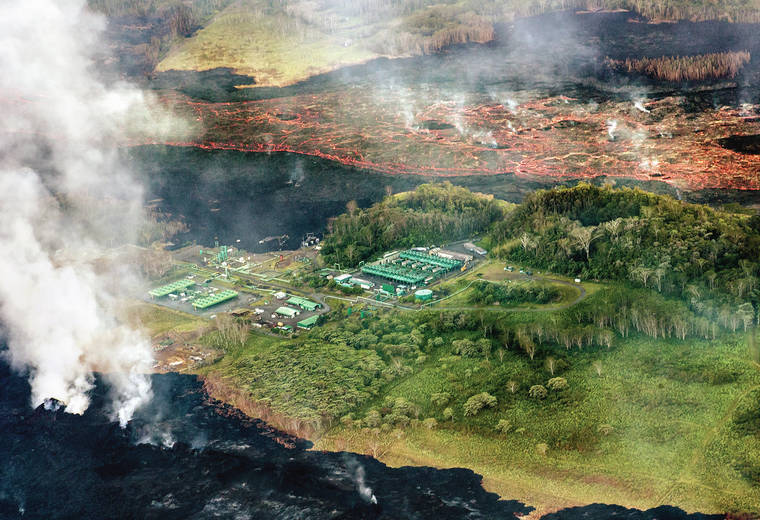
We’re still holding community meetings where people shout down geothermal like it’s the devil. Still spreading myths about Pele being angry. Still calling clean energy “desecration” while quietly burning diesel every time we flip on a light.
So we have to ask: If the Māori can honor their culture while embracing geothermal, why can’t we?
Māori Geothermal Leadership: A Model of Indigenous Energy Sovereignty.
Māori tribes such as Ngāti Tūwharetoa, Ngāti Raukawa, and Ngāti Tahu-Ngāti Whaoa are not just participating in geothermal development, they are leading it. By forming strategic joint ventures with geothermal energy companies, they have secured environmental protections and created long-term income streams from plants located on their ancestral lands.
Key Benefits of Māori Leadership in Geothermal Energy:
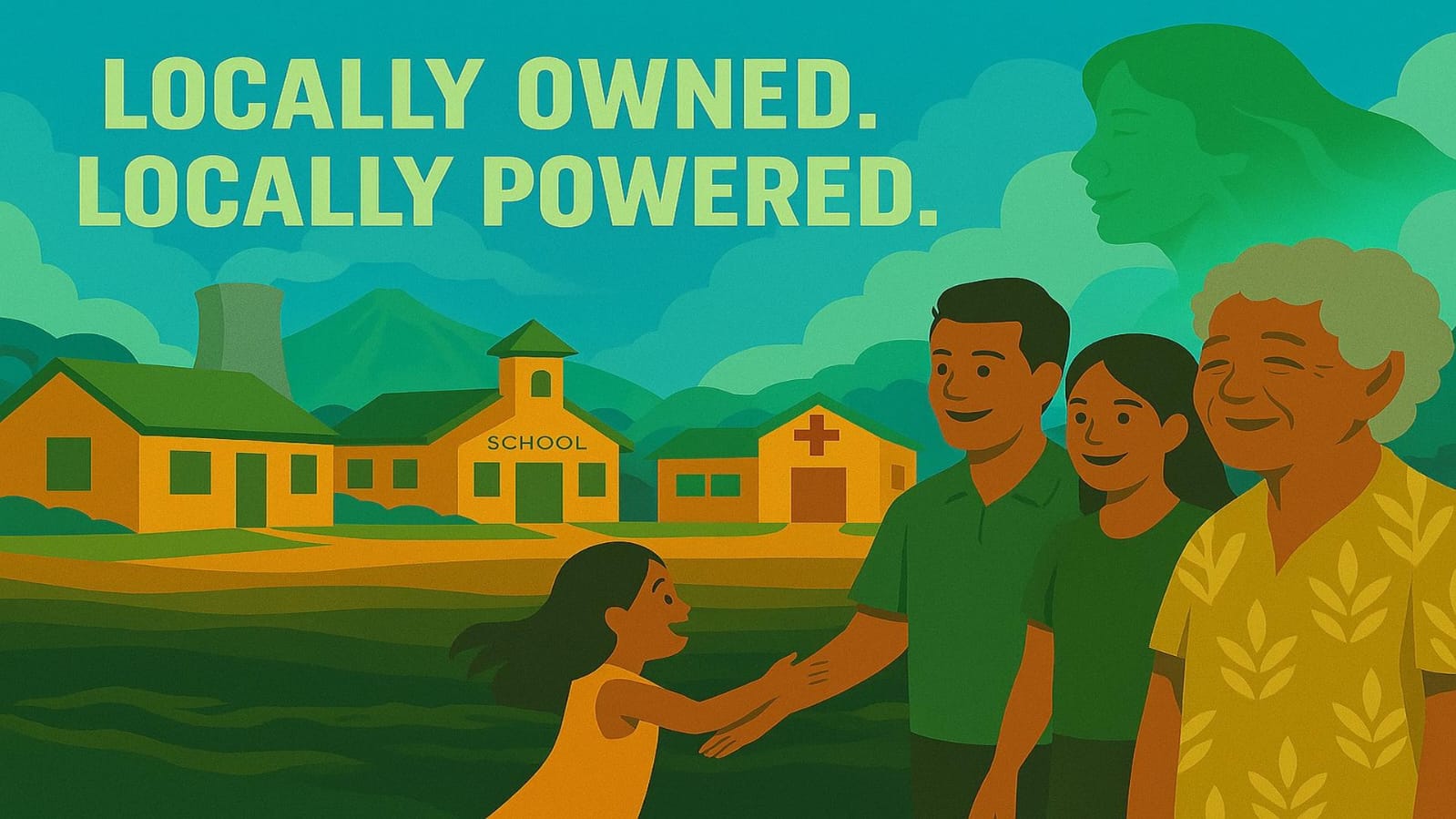
- Economic growth with local jobs and revenues staying within iwi communities
- Sustainable environmental practices aligned with cultural traditions
- Energy sovereignty, reducing reliance on external energy sources
- Cultural empowerment, blending ancestral wisdom with modern technology
They treat geothermal power as a taonga, a sacred treasure.
Not as a threat to their spiritual beliefs, but as a reflection of them.
It’s not something to fear, but something to respect, manage, and benefit from.
Why Are Hawaiians Divided on Geothermal Energy?
Geothermal energy should be a clear solution for Hawai’i’s sustainable future:
- It’s locally sourced
- It’s renewable and reliable
- It’s deeply connected to Pele, the revered goddess of fire and volcanoes
- It reduces our dependence on imported fossil fuels that harm our ʻāina (land)
Yet, Hawaiians remain divided.
Instead of embracing this clean energy, we face ongoing resistance rooted in:
- Fear of change
- Cultural romanticism that resists modern applications
- Mistrust in development, even when it benefits local communities
We chant “aloha ʻāina”, love for the land, yet rely on imported oil.
We oppose geothermal for “piercing the land,” yet remain silent when oil refineries and fuel tankers pollute our environment.
This contradiction isn’t just confusing, it’s dangerous for our people, our culture, and our future.


Tradition and Progress:
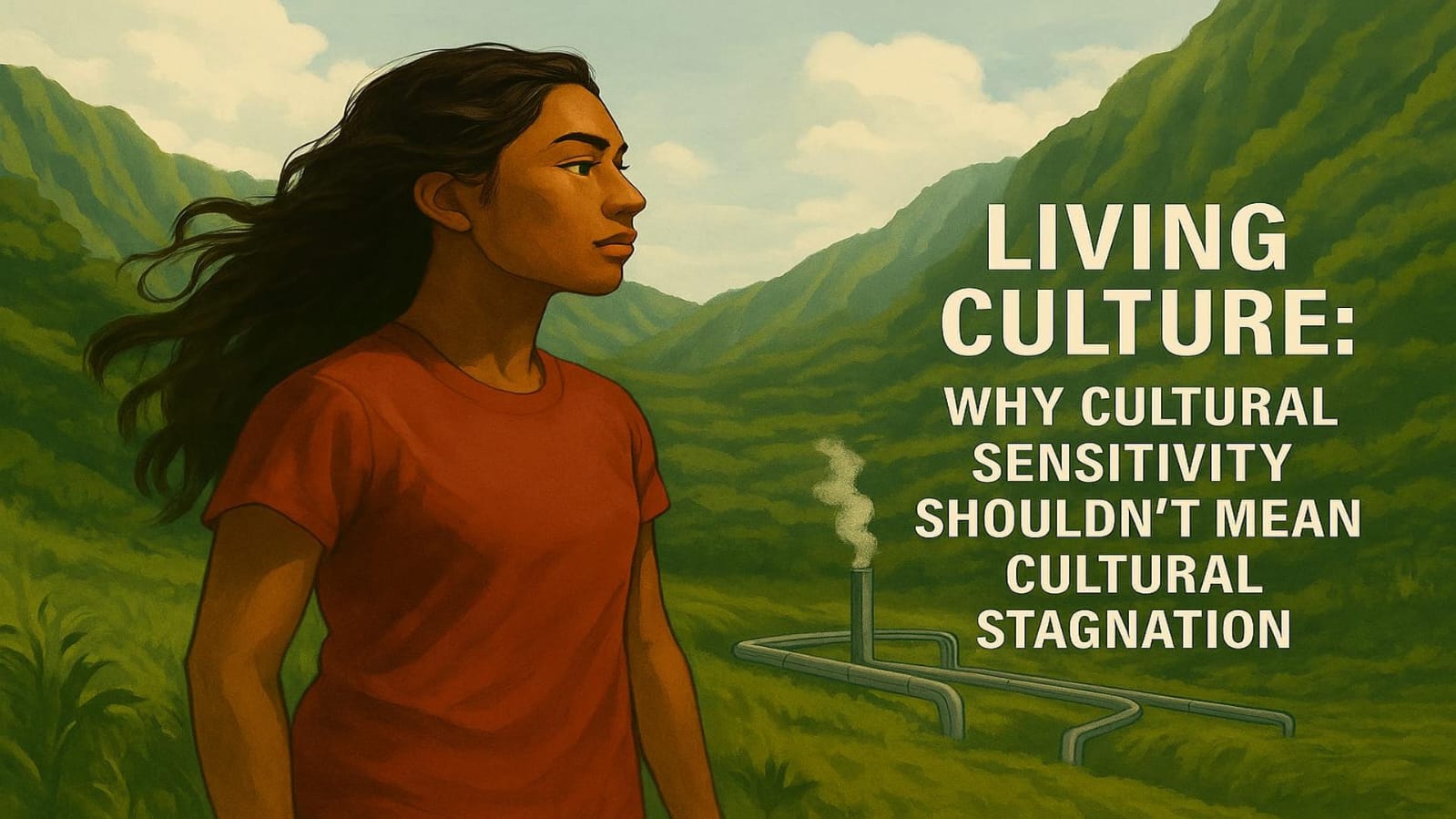
What the Māori understand, and what Hawaiians must remember, is that indigenous identity is not opposed to progress.
Our ancestors were never stagnant.
They were:
- Voyagers
- Builders
- Innovators
They used the tools of their time with deep respect for the ʻāina (land).
Geothermal energy isn’t a betrayal of Hawaiian culture, It’s a continuation of it.
We can:
- Chant for Pele and use her power with wisdom
- Protect the land while tapping into its renewable energy
- Preserve tradition while building a cleaner, sustainable future
But first, we must stop letting fear and misinformation speak louder than logic, opportunity, and cultural strength.
What We Can Learn from the Māori
There’s a lot Hawaiians can learn from the Māori approach to geothermal energy. Their success is rooted in cultural alignment, community ownership, and long-term vision.
Here’s how Hawaiians can follow that lead:
Own the Process
Don’t just protest, participate. Demand Hawaiian equity in geothermal energy projects and insist on being decision-makers, not just bystanders.
Honor Through Stewardship
Like the Māori care for their whenua (land), Hawaiians can shape geothermal development by setting cultural, environmental, and community standards.
Claim Our Energy Future
This isn’t just about generating electricity, it’s about energy sovereignty. Why import fossil fuels when sustainable energy lies beneath our feet?
If our Polynesian cousins can thrive with geothermal energy, so can we.
Final Word: Leading Hawaiʻi’s Clean Energy Future with Indigenous Power
The Māori people are setting a global example of what indigenous energy leadership looks like, grounded in culture, guided by purpose, and driven by sustainability.
Hawaiians, we carry that same mana.
But now is the time to actnot argue.
Let’s shift the focus:
- From debating what’s “sacred” to building what’s sustainable
- From fear and division to sovereignty and innovation
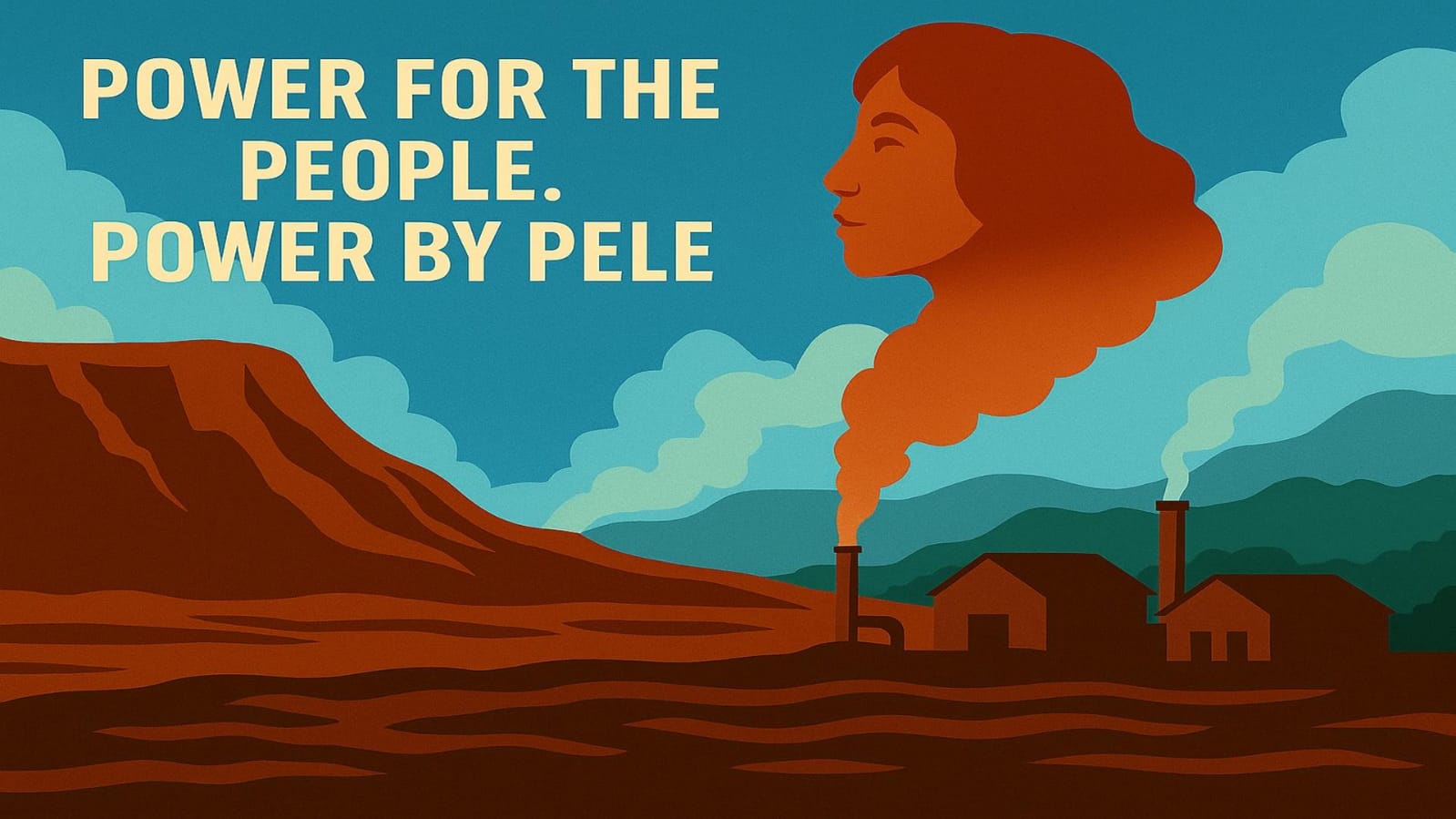
Pele gave us geothermal energy, a natural, renewable gift rooted in our culture.
Let’s not be the only Polynesian nation too afraid to harness it.
“Power for the People. Power from the People. Power by Pele.”
Join the movement. Share this message. Spark the conversation in your community.
Frequently Asked Questions (FAQs)
Geothermal energy provides a renewable energy source that can help Hawaiʻi reduce its reliance on fossil fuels. It aligns with the values of Hawaiian energy sovereignty, allowing communities to gain more control over their energy resources.
The Māori geothermal leadership serves as a model for how indigenous communities can successfully engage in clean energy development. The Māori tribes have turned geothermal energy into a source of economic growth and environmental stewardship while maintaining cultural pride.
Geothermal energy is deeply tied to Pele, the goddess of fire and volcanoes. Using geothermal power is not just about energy generation, it is a way to honor Pele’s gifts and sustain the ʻāina (land) while also achieving Hawaiian energy sovereignty.
Indigenous communities, like the Māori, have used their cultural understanding of the land to guide the development of renewable energy sources like geothermal. This approach ensures that energy production is sustainable, respectful, and beneficial to local communities.